
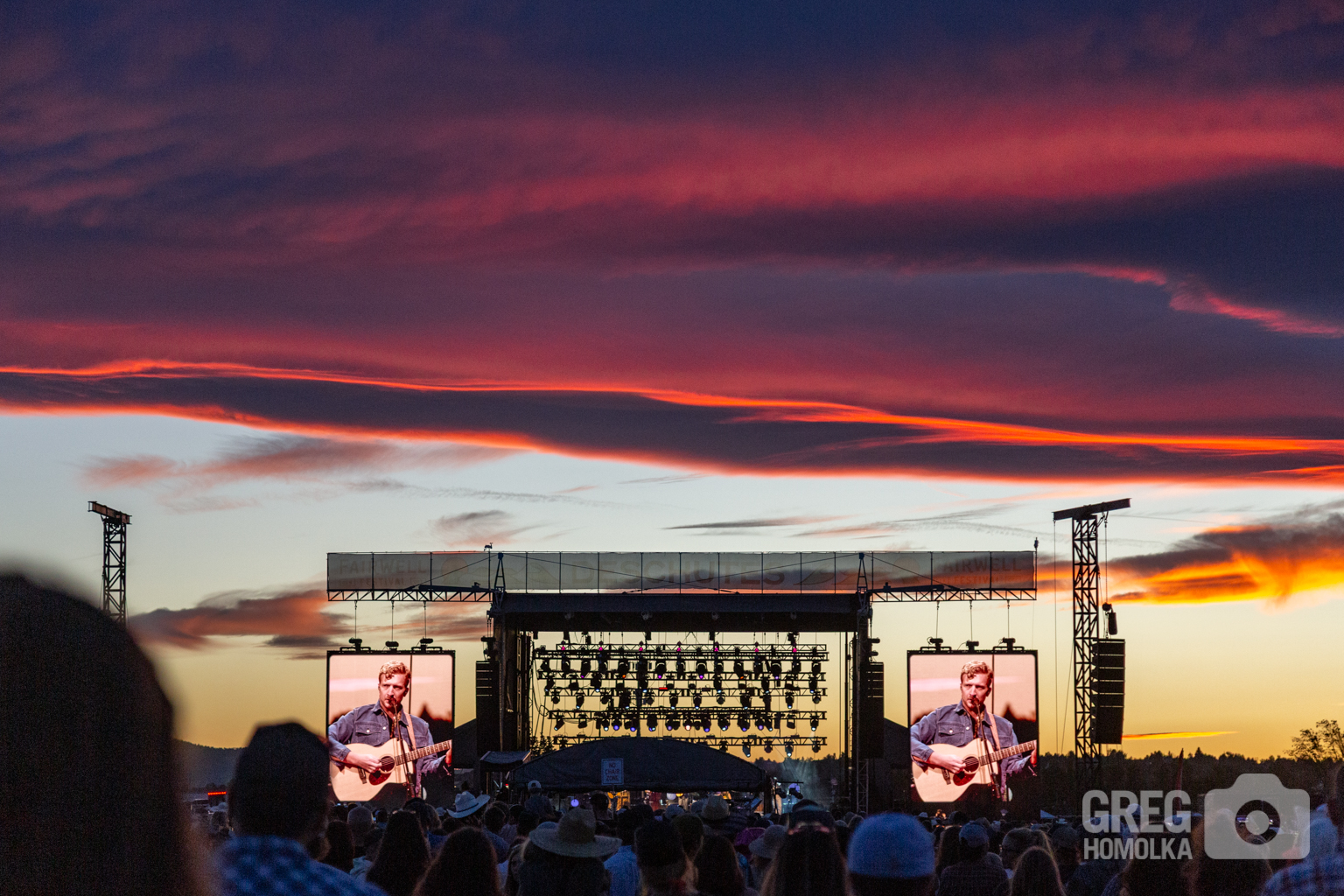
In 2008, the green room was a room. In 2018, it was a vibe. In 2026, it’s infrastructure.
There is no longer a moment where artists step away from the music world. The in-between space, once filled with silence, travel, or boredom, has been replaced by a constant layer of interaction that sits on top of everything. Touring doesn’t interrupt creativity anymore. It distributes it.
The modern green room is defined by access and responsiveness. It lives in private Discord servers, encrypted chats, and shared folders where ideas move before they are finished. What used to happen backstage now happens everywhere, all the time.
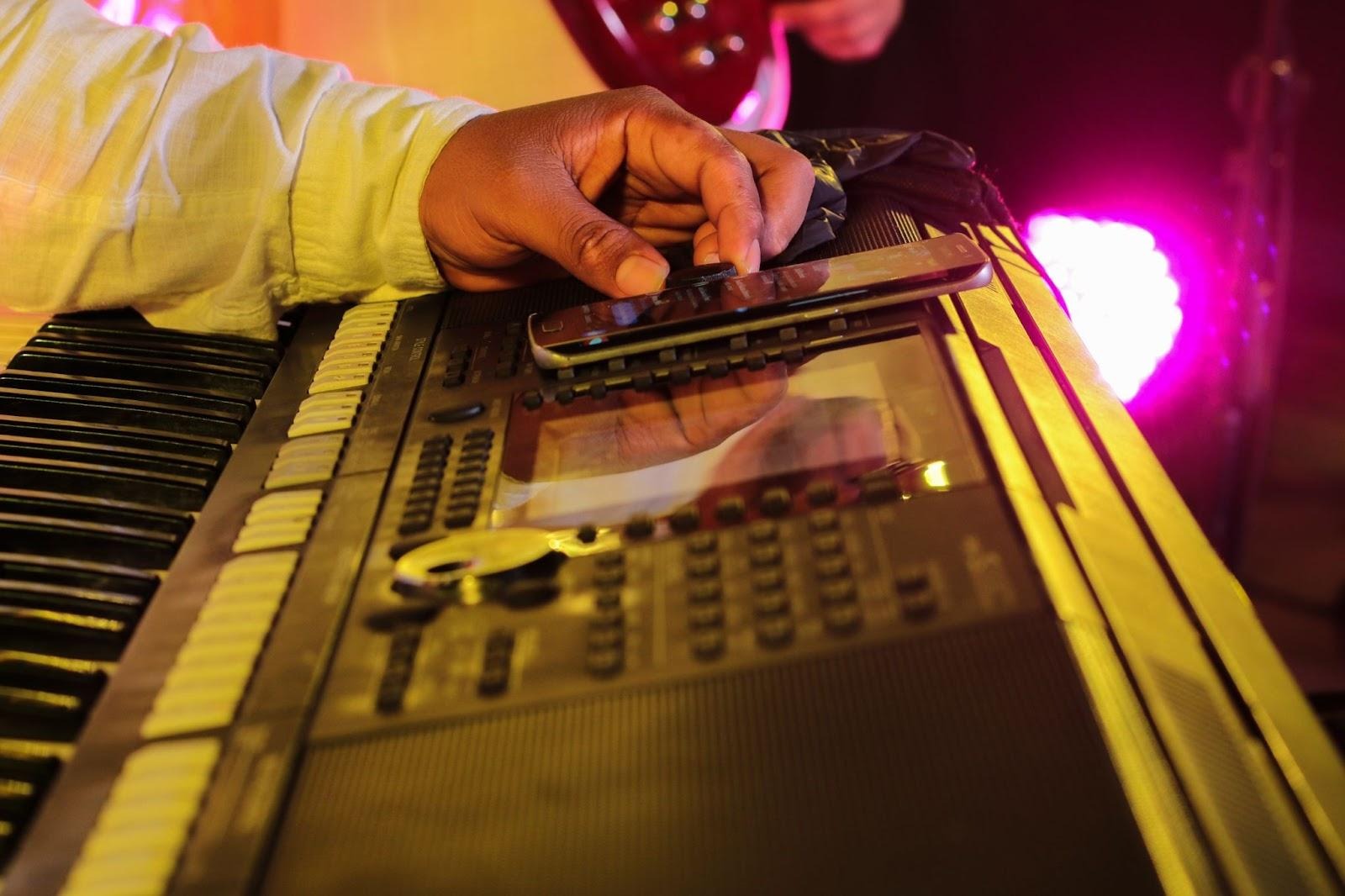
Technology Has Rewired How Entertainment Functions Between Active Moments
Entertainment once operated within fixed timeframes. A film ended, a live event finished, and engagement stopped. Between those moments, users stepped away. That structure has shifted toward continuous environments, where content, interaction, and participation exist within the same systems. Platforms no longer serve single functions. Users move between watching, interacting, and staying present without leaving the environment.
This is visible in ecosystems like Twitch, where streams run for hours with fluctuating levels of engagement, and in platforms like Fortnite or Roblox, where social interaction and entertainment coexist without a clear endpoint.
Within this model, social casinos represent another form of persistent environment. These platforms offer casino-style games with social features, without real-money transactions, and are accessible across most US states. As new platforms continue to enter the market, many users visit The Game Haus for social casinos to review updated information, platform structures, and feature differences.
A similar pattern appears in Spotify autoplay or YouTube session loops, where engagement continues without active decision-making. Across all these examples, the common factor is continuity rather than intensity.
The result is a structural change. Users no longer exit entertainment, they shift between levels of engagement while remaining inside the same system.
The Green Room Isn’t a Place, It’s a Graph of Relationships
Musicians no longer operate inside locations. They operate inside networks.
Take Drake’s unreleased music ecosystem. For years, snippets, reference tracks, and alternate versions of songs have circulated through tightly controlled circles before leaking outward. These don’t originate from random hacks. They move through layers, producers, collaborators, engineers, and private collectors, long before the public hears them.
What looks like a “leak” is often the result of a network under pressure, not a single breach.
That network is the green room. A similar dynamic appears in how artists like Fred again.. build tracks from voice notes and personal recordings shared through messaging apps. His workflow depends on constant input from conversations, not isolated studio time.
The key shift is structural: music is no longer created privately and then released, it is circulated privately while being built.
Discord Didn’t Replace Backstage, It Turned It Into a System
Discord isn’t just a tool. It’s an operating system for scenes.
The clearest example is the Opium label ecosystem (Playboi Carti, Ken Carson, Destroy Lonely). While the brand appears chaotic publicly, much of its aesthetic and sound direction is shaped inside tight digital circles. Snippets circulate internally, visual concepts are shared early, and affiliated producers align on sound before anything reaches the public.
By the time Opium drops a release, the internal network has already tested the direction.
The same pattern drove hyperpop’s early growth. Artists like 100 gecs and their collaborators built momentum inside Discord communities where tracks were constantly shared, remixed, and reshaped. The genre didn’t emerge publicly, it stabilized privately first.
Discord works because it combines:
- persistence (ideas don’t disappear)
- segmentation (channels create micro-scenes)
- controlled access (not everyone sees everything)
It’s not social media. It’s pre-release infrastructure.
WhatsApp Groups Are Where Careers Actually Move
If Discord structures scenes, WhatsApp accelerates decisions.
The Loud LDN collective is still one of the cleanest examples. It began as a WhatsApp group with no public-facing intention. Artists shared contacts, flagged opportunities, and helped each other navigate industry barriers in real time.
That environment produced tangible outcomes, festival placements, collaborations, and visibility, without relying on traditional gatekeepers. A similar pattern exists in more opaque networks.
Within rap and producer circles, Telegram and WhatsApp groups act as distribution pipelines for unreleased material. Producers send beats directly to multiple artists. Artists share hooks or verses for quick feedback. Engineers pass around early mixes.
In some cases, entire EPs exist in these groups before labels even finalize release strategies. These spaces function as decision layers. Things don’t get announced there. They get decided there.
Soft Collaboration
The studio session hasn’t disappeared, but it is no longer the center of collaboration. Look at how artists within the Opium orbit work. Tracks often begin as fragments, beats passed between producers, vocal ideas recorded independently, edits layered over time. The final track is the result of multiple asynchronous contributions rather than a single coordinated session.
This mirrors earlier internet-native artists like glaive, who built songs through file exchanges rather than physical sessions. That method is now standard, not niche.
Reference vocals and alternate versions often exist long before official releases, moving between writers and collaborators. These are not formal sessions. They are part of a continuous creative flow. The important shift is this: collaboration is no longer scheduled, it is ambient.
Where Trends Actually Start (Hint: Not TikTok)
Public platforms amplify trends. They don’t originate them. Take the evolution of rage beats within the Opium scene. Before reaching mainstream listeners, these sounds circulated heavily among producers and artists within the same network. Drum patterns, synth textures, and vocal styles were refined through repeated internal exchange.
By the time the sound reached TikTok, it was already consistent.Fans often hear multiple iterations of tracks before official releases, revealing how ideas evolve internally. What sounds “new” publicly is often months old within private circles.
Hyperpop followed this exact trajectory. So did pluggnb.
The pipeline is consistent: closed network → internal iteration → public release → viral amplification The green room is where the first two stages happen.
The Psychological Shift: Artists Are Never “Off” Anymore
The constant nature of these spaces changes how artists experience downtime. In the past, leaving the venue meant stepping out of the loop. Now it means switching screens.
Artists inside Discord-heavy ecosystems often describe a different kind of pressure. Not from audiences, but from peers. Messages, demos, and opportunities continue to move regardless of time zones.
Some have started to pull back deliberately. Limiting access, reducing participation, or separating creative channels from social ones. Because the underlying issue is simple: when the green room never closes, neither does the expectation to contribute.
Access Is Easy, Positioning Is Hard
For new artists, the barrier to entry has collapsed. Anyone can join a Discord server, enter a producer group, or reach out directly. But access alone has no value without positioning.
Inside collaboration hubs, the artists who gain traction are the ones who:
- give usable feedback
- contribute creatively to others’ work
- stay consistently visible within the group
This dynamic is not theoretical. It has been referenced in multiple interviews with independent producers and artists, where collaboration is described as emerging from ongoing interaction rather than direct outreach. Artists frequently point to online communities, Discord servers, SoundCloud circles, and producer forums—as the spaces where recognition builds gradually through contribution.
In these environments, a small group of highly active contributors tends to shape the flow of interaction. They respond to demos, suggest improvements, and stay present across discussions. Over time, this repeated visibility creates familiarity, which often leads to collaboration opportunities without formal introductions.
This is how smaller producers begin working with more established names. Not through cold messages, but through embedded presence within the network, where interaction replaces outreach as the primary driver of connection.
The Green Room Became the Real Industry
The green room no longer sits behind a stage. It exists inside networks that operate continuously.
Music is developed in private, refined in semi-private, and released in public. What listeners hear is only the final stage of a much longer internal process.
The artists who move fastest are not just the most talented. They are the most connected to these systems.
Because in 2026, the real question is not who an artist knows. It’s where they exist when the music isn’t finished yet.
Comments
Loading comments...
Leave a Comment