
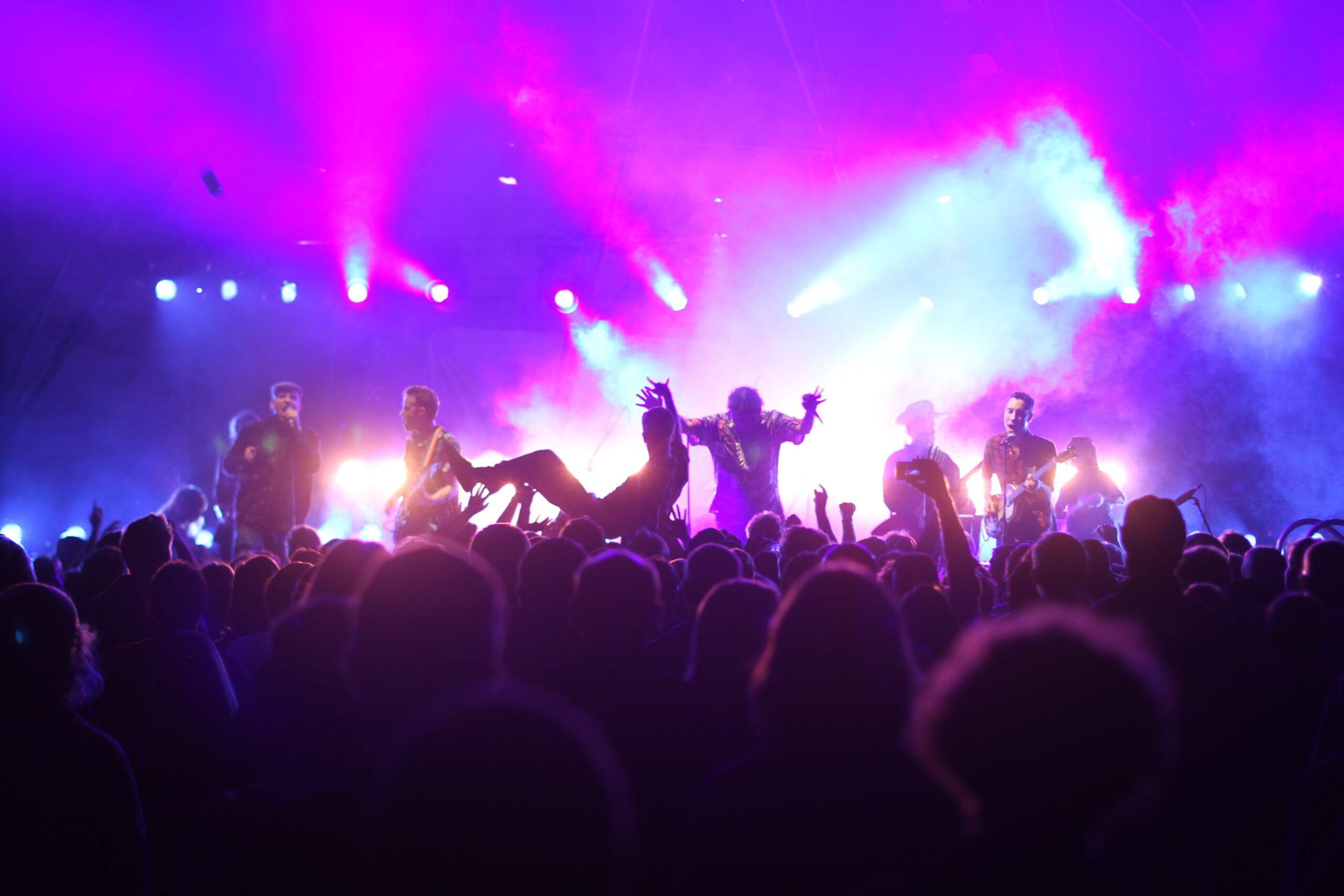
As any seasoned touring musician or live music fanatic will tell you, no two venues are built the same. Most of the difference, though, is in the nuance. Sometimes a city attracts a lively crowd, sometimes the venues boast a legendary greenroom that artists buzz about for the remainder of the tour, while others look to reinvent the live music space as a whole. Atlanta’s Goat Farm is one of those venues. This revolutionary space brings live performance together with stunning innovations in both space and visuals, offering the vibrant art scene of its home city an all-in-one venue to realize its loftiest visions.
Experimentation is at the heart of Goat Farm. What was once an industrial site has now welcomed some of the most refreshing and innovative shows Atlanta and the world have to offer. Boasting several performance spaces, installation venues, and artist workshops, Goat Farm is just as forward-thinking as the artists it welcomes through its doors. A sprawling 12-acre landscape for the wonderfully weird and fearlessly daring, Goat Farm is in constant evolution, reimagining its booking process to reflect the open-mindedness of art and the intersection of all its mediums.
Glide had the pleasure of asking Goat Farm a few questions about the evolution of their space, the process of getting booked, and where they see their venue heading. You can read our full conversation below.
Goat Farm is located on a historic industrial site built in the 1800s. What made this space such a perfect spot for your venue? What was the original process of reshaping this historic space into a live music venue like?
The campus was originally built as an industrial complex in the late nineteenth century, so the architecture already had many of the qualities artists and performers are drawn to. The buildings feature large warehouse volumes, raw materials, and a palpable sense of history. It naturally felt like a place where experimentation could happen.
The early process was less about transforming the site into something new and more about revealing what was already there. The goal was to preserve the industrial character while making the spaces functional for art, performance, and gathering. Over time, different buildings were gradually adapted for studios, exhibitions, and performances, allowing the campus to evolve organically rather than through a single top-down redesign.
How did you balance the nostalgic charm of the space with the perfect specs for performance?
We try to maintain the character of the buildings while thoughtfully integrating the infrastructure artists need to do their best work. Often this means subtle interventions such as lighting, sound reinforcement, or temporary staging that do not permanently alter the architecture. The spaces retain their rawness, but they remain flexible enough to support professional productions. In many ways, the imperfections of the buildings are part of what makes performances here feel distinct.
How has the space evolved since Goat Farm first became a full-time arts center in 2009?
Since ~2009, the campus has grown from a loose collection of artist studios into a much more active cultural center. Today, we host exhibitions, performances, festivals, film screenings, and large-scale installations throughout the year.
The biggest evolution has been in the programming and the community surrounding it. While the physical space has changed gradually, the scale and energy of what happens here have expanded significantly.
How did you come across the name Goat Farm, and has it caused any confusion among people who might think it’s something other than a venue?
The name predates the cultural center and has long been attached to the property. The story is that at one point, the former owner allowed the property to become overgrown with kudzu, an invasive plant. A judge reportedly fined him and ordered him to bring in goats to eat it. We are told he acquired so many goats that the property became locally known as the “Goat Farm.” When the site transitioned into an arts campus, there was no good reason to change the name.
It certainly causes some confusion for first-time visitors. Some people arrive expecting a literal farm. We used to have pet goats, but now there are none. But the name also reflects the spirit of the place. It is a little strange and very memorable. Once people visit, the contrast between the name and the experience tends to make it even more memorable.
Goat Farm has welcomed a lovely variety of artists from many mediums. What are some of the most memorable performances that have come through your venue?
There have been many memorable moments over the years. Some of the most powerful events are those where multiple disciplines intersect. Performances that combine sound, installation, and architecture often feel especially at home here.
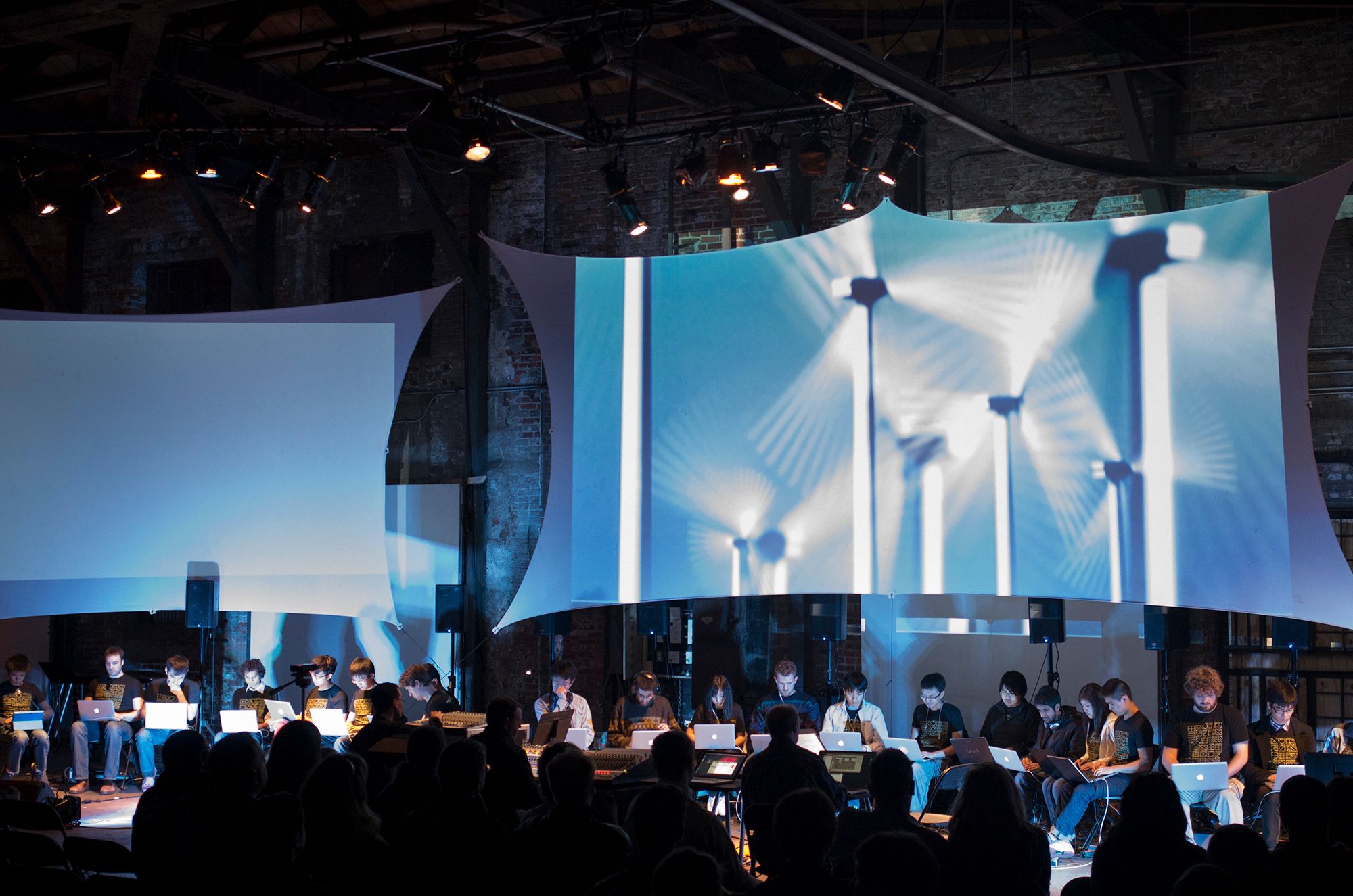
Many artists have have performed at Goat Farm, here are some of note: Thurston Moore, Killer Mike, Sunn O))), Black Lips, Thee Oh Sees, Mac DeMarco, Jonathan Richman, Nakatani Gong Orchestra, King Khan and BBQ, Upchuck, Lightning Bolt, Reptar, Ludacris, Puddles Pity Party, Chamber Cartel, Megan Thee Stallion, Itchy-O, New Orleans Airlift, Prince Rama, Salsa Chest, Robert Spano with glo, and the Georgia Tech Laptop Orchestra.
Do you have any bucket list acts or artists you hope to see take advantage of your space?
Because the spaces are so unconventional, we tend to think less about specific names and more about artists who are willing to take risks. We are particularly interested in artists working at the intersection of sound, visual art, and technology. Projects that blur the boundaries between installation and performance art tend to thrive here.
You offer artists the chance to submit their work for potential feature or performance at Goat Farm. What is that application process like?
Artists can submit proposals year-round through our online portal. Those submissions are reviewed by a curatorial committee that considers how the project fits within the broader programming.
We look for ideas that feel thoughtful, experimental, and well considered. The goal is not simply to book events, but to support projects that respond to the character of the space and contribute something meaningful to the cultural conversation.
How has the local arts community in Atlanta responded to Goat Farm?
Atlanta has an incredibly vibrant arts community, and Goat Farm has always seen itself as part of that ecosystem rather than separate from it.
Many of the artists who work here also collaborate with institutions and galleries across the city. Over time, the campus has become a place where different creative communities intersect. Musicians, filmmakers, visual artists, and performers often share the same environment, which naturally leads to collaboration.
Goat Farm specializes in experimental performances. How would you define experimentation?
For us, experimentation might involve new technologies, unusual formats, or work that does not fit neatly into a single discipline.
Sometimes experimentation is about scale or environment. Sometimes it is about the process. The common thread is a willingness to try something new or to present work in ways that challenge expectations.
You are gearing up to open LOOP, a new venue and art studio. What will this add to Goat Farm?
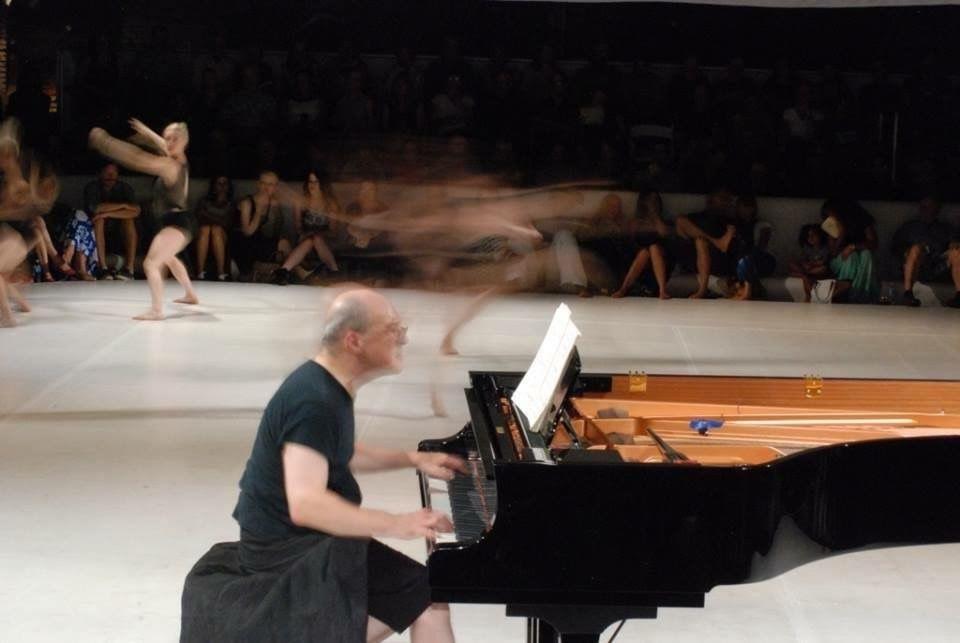
LOOP is an arts and technology hub developed in partnership with the Georgia Tech Foundation. It is designed as a place where artists, researchers, and technologists can collaborate. It will include studios and a performance venue designed to encourage experimentation across media, from sound and performance to emerging technologies.
It will add new audiences and new collaborations; we are very excited about the potential and scale of this.
Goat Farm already features several performance spaces. How does the experience differ from one space to another?
Each space has its own personality. We have an industrial warehouse that works well for immersive performances and large gatherings. Others are more intimate rooms suited for listening events, screenings, or smaller performances, or unconventional outdoor spaces.
Because the buildings were originally industrial, they were never designed to feel identical. That variety allows artists to choose the environment that best supports their work and gives audiences a different experience from one event to the next.
Along with LOOP, what else does Goat Farm have planned for the future?
The future is largely about continuing to support artists and building new collaborations. As the community grows, so do the possibilities for new kinds of programming and partnerships. The goal is to continue creating space for artists to experiment, connect, and develop work that might not have a home elsewhere.
Comments
Loading comments...
Leave a Comment