
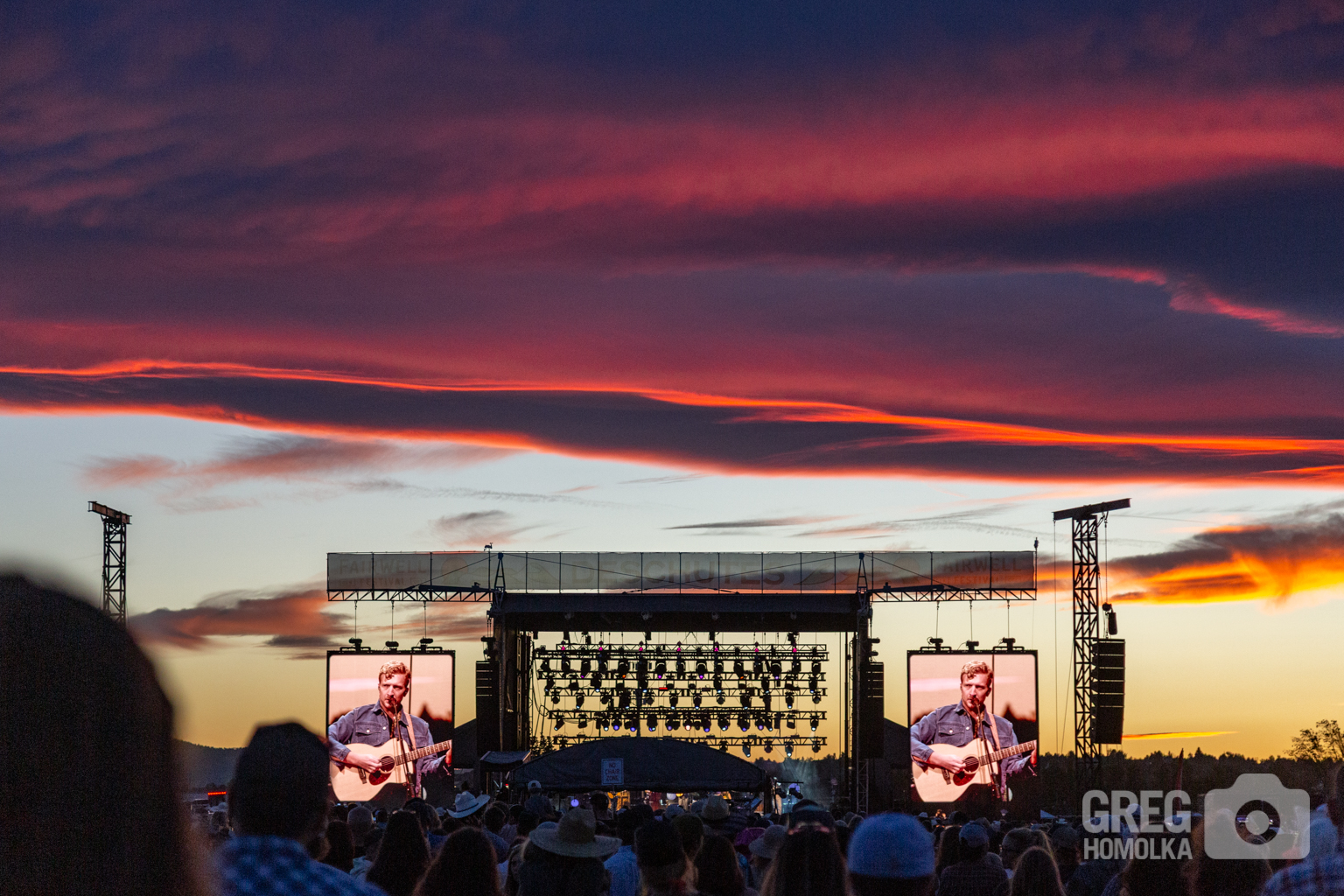
There is a particular hour, somewhere between the last song of an encore and the slow drive home, when a live-music fan in the United States is at their most engaged. The set list is still ringing in the ears, the phone is full of grainy clips, and the long thread of conversation is just starting on a forum somewhere. American fans who follow long-running touring acts, whether they came up on arena runs or only discovered a favourite band during a recent theatre stretch, share this rhythm. The show ends, and a second show begins inside the head. That second show is the actual habit, the part that keeps the culture alive between tour dates and that turns ordinary listeners into careful annotators of a band’s history.
American live-music coverage has tracked this rhythm for years, and the late-night session sits underneath nearly every serious festival recap. A weekend write-up is rarely about the headliner alone. It is about the third-stage set that ran past midnight, the unannounced sit-in that drew a crowd around a small tent, and the half-recorded jam that fans trade in lossless folders the next day. The rest of this article looks at the leisure habits that fill those late hours, the way fans actually spend the long wind-down, and where a small, modern category of online entertainment quietly fits into that pattern for a slice of the American adult audience.
The same after-show audience that streams late-set soundboards at two in the morning and refreshes set-list databases between tour dates also fills its remaining attention with short, low-commitment mobile entertainment. Where this cohort overlaps with the broader US online entertainment audience is in that narrow late-night window: brief sessions on a phone, low stakes, high frequency, and zero expectation of a long sit-down, the same shape a forum thread or a soundboard sample occupies between songs. For adult readers in New Jersey, Pennsylvania, Michigan, West Virginia, Connecticut, or Rhode Island who occasionally fill that slot with regulated home play, an independent guide to no deposit casino bonuses lays out the welcome-offer differences plainly enough that the structural picture is clear in a single read. That overlap is what makes the cross-pollination editorially interesting rather than incidental, and the article now returns to the music, which is where the long late-night hour actually lives.
Why the Hours After the Show Define US Live-Music Culture
The American touring scene has always treated the show as a starting point rather than a finish line. A multi-night arena run, a long theatre stretch through the Northeast, and a single amphitheatre pass during festival season all produce roughly the same after-effect. Within an hour of the lights coming up, fan forums fill with first-impression posts. Reddit threads start tracking which version of which song appeared for the first time in years. A fan in Brooklyn fires up Discord to argue about a second-set transition with a fan in Boulder. None of this is incidental. The late-night session is where the live experience is sorted, ranked, and committed to memory. Coverage that lingers on the after-hours sets, and on the small details that surface only when a writer stays awake long enough to notice them, tends to outlast the tour-announcement recap by a wide margin.
Festival Weekends and the Long Tail of Listening at Home
Bonnaroo in Manchester, Tennessee, the Peach Music Festival in Scranton, Pennsylvania, and the rolling Mid-Atlantic gatherings that fill the summer calendar all share a peculiar quality. They produce a far longer listening tail than they do a live one. A four-day festival yields perhaps thirty hours of stage time per fan, but the home listening that follows easily reaches three hundred hours over the next month. Audience boards, soundboard releases, and band-blessed live archives feed a rhythm that runs from the drive home through the next several Tuesday nights. American fans treat this period almost like a homework cycle. Set lists are pulled up online, song histories cross-checked, and friends are sent links to the moment that everyone in the row felt. Late-night listening sessions become the medium through which the festival weekend is finally absorbed. Without that long tail, the four days on the field would feel oddly amputated.
The Vinyl Ritual and the Quiet Wind-Down
A specific kind of American music fan keeps a turntable running at midnight. The records on the platter tend to be live double LPs, the new pressings that arrive from Brooklyn in shrink-wrap, archival reissues from the classic touring era, and the steady run of band-blessed live releases that hold up under repeat play. The ritual is not about audiophile snobbery. It is about a deliberate slow-down after a stretch of touring or streaming. Side B finishes, the listener flips the record, and the act of flipping forces a thirty-second silence that smartphones never allow. Feature writers have spent years on the small independent pressing plants in the United States, on the pressing-quality differences between US and European mastering, and on the strange way a good live-album sequence can re-create the second-set arc inside a quiet apartment. The wind-down is not a side activity. It is the closing chapter of the concert experience.
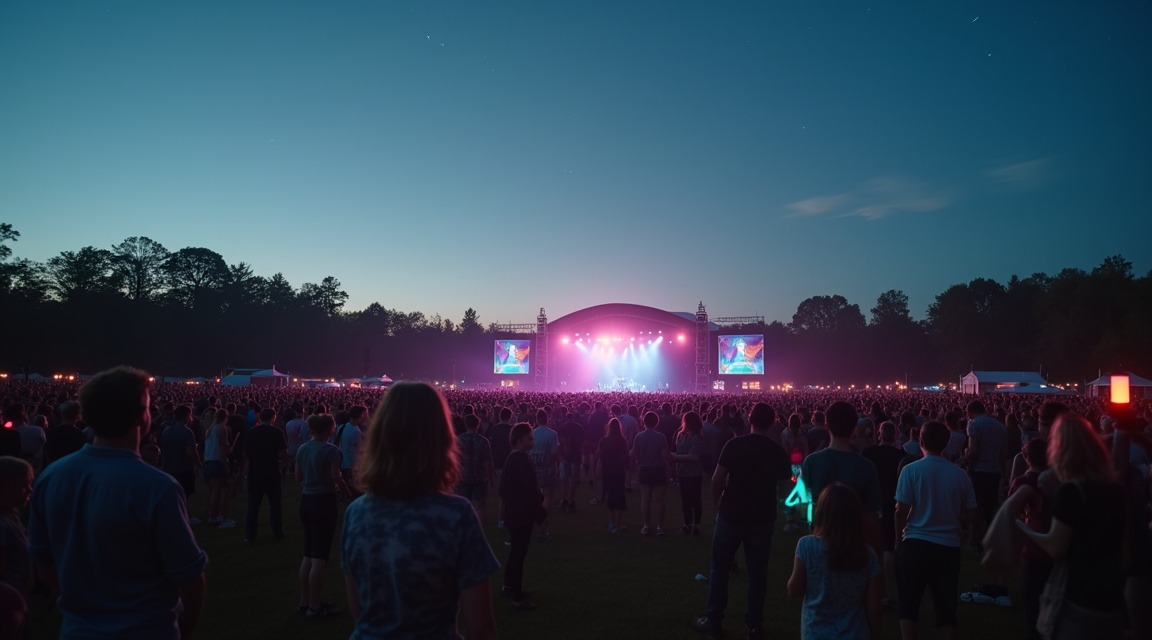
Photo by Renee Whittaker
Why Set-List Annotation Became a US Late-Night Sport
The American live-music community treats set-list annotation the way other audiences treat fantasy sports. Every transition is logged, every bust-out tagged, every guest sit-in cross-referenced against past shows. Long-running fan databases set the standard, but the practice extends far beyond them, into Reddit megathreads, Discord servers, and the comment fields under almost every concert video on YouTube. Long-form festival journals that read almost like set-list essays have become a category of their own. this Jam Cruise journal feature is one such piece, walking through a single day on the boat with the kind of granular attention fan communities then continue at home for days afterwards. The annotation habit is not a side hobby. It is the framework that lets a live show keep growing in meaning long after the venue has emptied.
Late-Night Streams, Couches, and the Adult Leisure Slot
American adult fans in the live-music world rarely have an unbroken night to themselves. The late hours, after work and after children are asleep, become a small private space for the kind of attention a four-hour show actually deserves. Streaming platforms have responded directly to this rhythm. Band-run subscription services and aggregator catalogues both push same-day soundboard uploads from a long list of touring acts, and selective archive releases feed the same midnight habit on the artist side. The audience is not casual. They are listening with headphones, scribbling notes, and pulling up the show database in another tab. This stretch of adult leisure time is also where other low-stakes home entertainment quietly sits in the background, from short mobile games to whatever else fills the gaps between songs, and the boundary between focused music attention and second-screen activity is a real, observable thing in the late-night hours.
What a Major Residency Tells Us About Modern Fan Behaviour
When a marquee band opens a multi-night residency at a state-of-the-art venue, the response is a clinic in modern fan behaviour. Within hours of each show, audience boards fill, fan-made set-list grids appear, and the better-known music writers file reviews built around the visual programming, the song selections, and the rare bust-outs. Rolling Stone’s Phish at the Sphere review walked through the first weekend with the sort of detail fans demand, breaking down each night in turn and tracing the design choices that made the four-show stretch feel like a single arc rather than four discrete concerts. That residency became a reference point for how American fans now expect a major run to be covered: high resolution, set-list aware, alive to the late-night second-set arc. Festival reviews from 2024 onwards reflected the same shift, leaning into the long, careful piece rather than the breezy weekend recap.
The New Generation of Late-Night Headliners
The conversation about American live music in 2026 is no longer carried by a single act. A handful of younger touring bands have climbed from theatre rooms to amphitheatre headlining slots over the past few seasons, and their fanbases mirror the classic late-night listening habits of earlier generations. Set lists are dissected within minutes. Soundboards arrive overnight. Late-night television appearances have brought some of these acts to a wider audience without diluting the listening culture their core fans had already built. Bluegrass-leaning touring acts have replicated set-list annotation habits on their own platforms with surprising speed. Long-standing mid-week theatre audiences continue to treat each set as essential rather than supplementary. Together, these acts have refilled the late-night calendar so completely that an American fan in 2026 has functionally infinite recorded material to work through during the home-listening tail, and the practical result is that newer listeners can build a deep personal canon within a single year of paying close attention.
Photo by Daniel Ashford
Three Listening Rituals That Define the US Live-Music Audience in 2026
If you spend an evening inside any active American live-music community, the same set of habits surfaces. People run the soundboard recording on headphones while they cook a late dinner, scroll set-list databases for transitions they want to revisit, and trade clips in private chats with the four or five friends who were also at the show. None of this is exotic. It is what fans do because the music rewards careful attention and because the after-show hours are when a long-running canon becomes personal.
| Ritual | Where It Happens | Why It Defines the Audience |
| Same-night soundboard listen | LivePhish, Nugs.net, Goose archive apps | Lets the fan re-experience the show with sober attention before sleep |
| Set-list annotation thread | phish.net, r/phish, r/jambands, Discord servers | Builds shared memory that gives each song version its long-term context |
| Vinyl wind-down session | Living-room turntables, headphone rigs, late-night kitchen radios | Closes the cycle by binding the night to a tactile, slower medium |
These habits also explain why coverage built around a single headliner photograph rarely satisfies the audience. The reader who clicks on a long Sunday-morning feature has already been through a soundboard, a forum thread, and a vinyl side. They want a writer who has done the same work, who has stayed up with the show in their headphones, and who can speak in the same vocabulary the audience already uses every night. The reverse, a quick hot-take piece reposted from a press release, lands as an insult to the most engaged readers, and it shows up immediately in the comment threads.
How the Late-Night Wind-Down Quietly Shapes American Music Coverage
The cumulative effect of these habits is a particular shape of American music journalism. The publications that endure in the live-music world write for a reader who has already heard the show twice, who has read the Reddit thread, who has spotted the missing transition in the official soundboard, and who is now looking for the writer who can tell them what the night actually meant. That reader is patient. They will read four thousand words on a single set if the writer earns the space. They will reject five hundred breezy words about a tour announcement that anyone could have rewritten from a press release. The late-night wind-down trains this audience, and the audience in turn trains the publications. Coverage gets longer, more granular, more attentive to the second-set arc and the encore choice. The leisure-time slot in which fans do their listening, whether they are also flipping a record, scrolling a forum, or running a low-stakes online entertainment session in a regulated state, sits at the heart of how American live-music culture actually works in 2026. The hours after the show are where the show becomes permanent.
Comments
Loading comments...
Leave a Comment