
[rating=5.00]
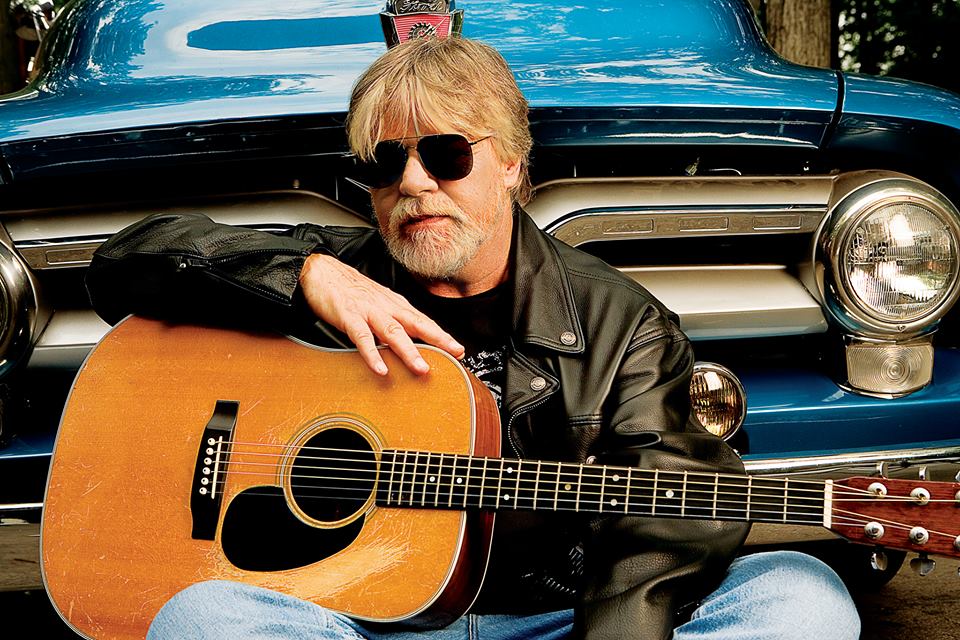
 From its title to the cover graphics and to the music inside, Bob Seger’s Ride Out has all the earmarks of a swan song. Of course, that’s probably not in the offing given the level of success Seger’s nurtured since his break-through in 1976 with Night Moves, including continued sold-out concert tours, but subsequent and increasingly more polished records haven’t depicted a sympathetic character, much less an inspired one.
This all makes it ironic in the extreme for Seger to cover a John Hiatt song called “Detroit Made” and place it as the opener of Ride Out. Hiatt has become more rather than less himself as he’s continued through the course of his career, an evolution distinctively contrary to Seger’s early workingman persona and how it morphed into the rock star detached from his roots. The craftsman-like nature of this tune is right in line with the fundamentally ‘safe’ approach of Ride Out, no doubt why its four-square changes (not to mention the metaphorical auto imagery therein), compel the head-long surge of the musicians on that track. The players aren’t much less abandoned on “Hey Gypsy,” but they don’t sound really refreshed (or refreshing) in navigating its rudimentary changes.
Ride Out comes eight years after Seger’s previous album, Face the Promise, so the inclusion of four tunes from writers other than the principal is understandable. But Steve Earle’s “Devils Right Hand,” has a predictable sing-song quality, despite it’s low-key acoustic guitar foundation, that’s all too similar to Seger’s own observations on contemporary culture as collected in the title song. Meanwhile, the banjo and fiddle that appear on “California Stars,” sound equally contrived, making this selection from Wilco & Billy Bragg’s Mermaid Avenue (a 1998 project devoted to Woody Guthrie archive material) a transparent ploy to entice the audience of Jeff Tweedy & Co, even as its horn-laden arrangement evokes latter-day Springsteen.
Minor charms as it boasts—impeccable sound and at least superficially sharp musicianship–Ride Out nevertheless sounds like the work of a man uncomfortable with himself and the world around him. “All of the Roads” holds a faintly evocative tune over which Seger attempts to recount his personal growth, but he sings with unnerving detachment, the females almost drowning him out (or perhaps present to camouflage his lack of vocal range). That noticeable absence of personality also echoes in a paean to personal relationship, ”You Take Me In,” when he solemnly ”there’s so much to share and so much to feel/having a vision and knowing it’s real.”
The presence of such stalwart musicians such as drummer Chad Cromwell (latter-day Neil Young sideman) and guitarist Tom Bukovac (late of Trigger Hippy) isn’t all for naught, but as (sole) producer of this album, Seger missteps not using them more effectively and extensively, in addition to, if not in place of musings alternately sentimental or pretentious.(an impression reaffirmed in the photos in the CD booklet). And unfortunately but not surprisingly, the cliched conceit of “Gates of Eden” is further bloated by synthesized strings that obscure a tasteful slide part by Rob McNeeley which would otherwise provide edge to the track. It’s an apt microcosm of this record and the logical extension of Bob Seger’s work since he rose to national fame beyond the confines of his Motor City hometown.
Comments
Loading comments...
Leave a Comment