
Eminem, Outkast, and Biggie are three of the best-selling, critically acclaimed Hip-hop artists of all time. In recent years, we have seen Hip-hop reach new heights in terms of commercial success, thanks to some contemporary artists pushing the boundaries of the genre to include more digestible pop elements, opening the door for commercial placement and opportunities their Hip-hop foreparents never thought possible. The commercialization of Hip-hop has been a polarizing phenomenon, both within and outside the genre, shaking up the Billboard charts to the point of undeniable dominance. None of this, no Eminem, Drake, or Kendrick Lamar, would exist without the initial incision Hip-hop made on the charts, and to find the breaking point, the moment Hip-hop proved to be a worldwide cultural landmark, dates back to before the alleged “Golden Age” of the nineties.
40 years ago, a trio of hip-hop pioneers was fresh off an extensive tour. Run-DMC had just been on the road in support of their sophomore album, King of Rock, and ironically, the songs they were about to make would solidify this title for Joseph “Run” Simmons, Darryl “D.M.C” McDaniels, and Jason “Jam Master Jay” Mizell. After the tour, the trio entered Manhattan’s Chung King to work on the follow-up to King of Rock. Run-DMC had decided to revamp their production team, leaving Larry Smith, the now-legendary producer who was in the studio with the trio for their first two studio albums, on the sidelines. Run-DMC decided to go in a fresh direction and tap a young producer making a name for himself in New York City, Rick Rubin.
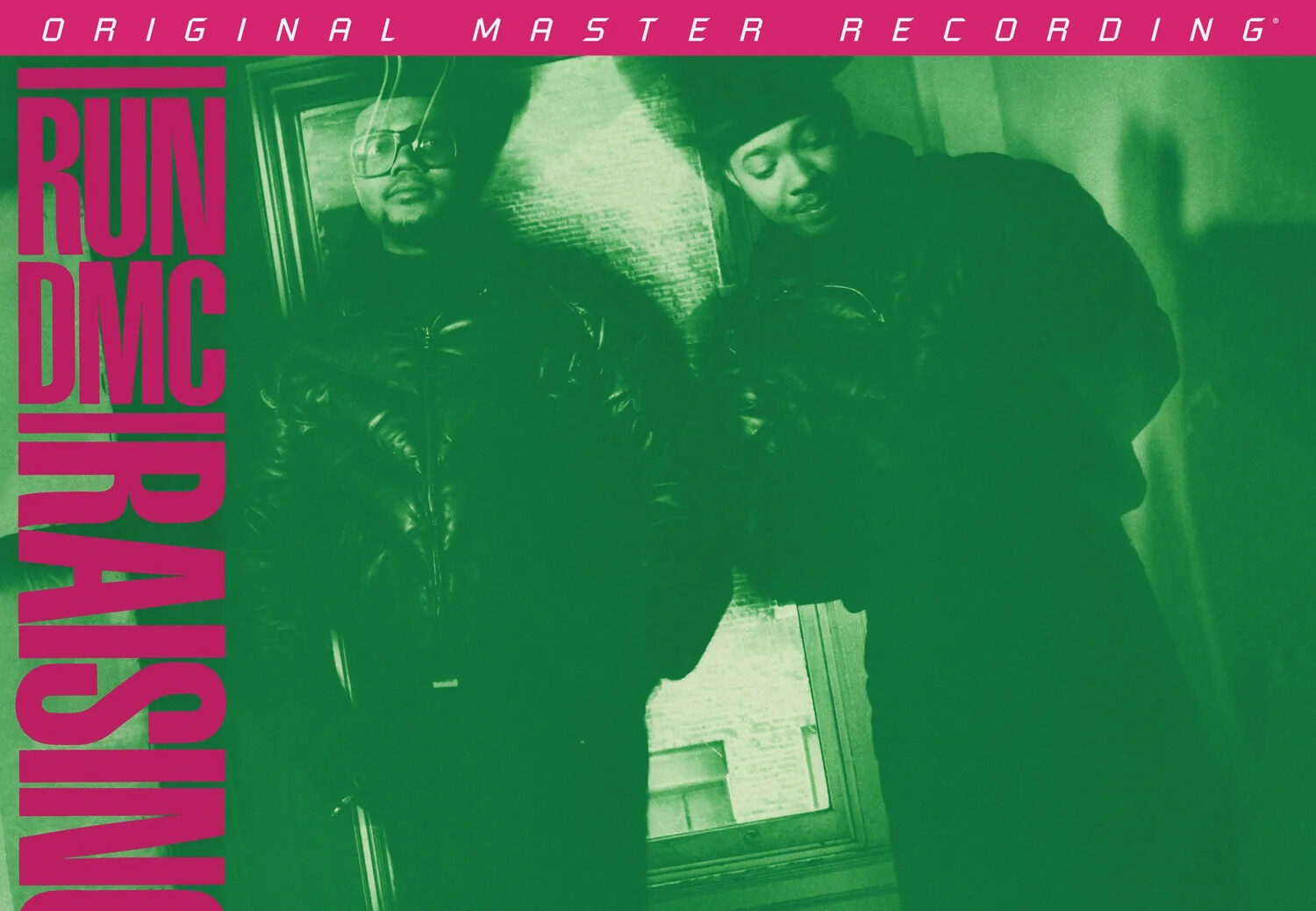
The results of this extensive recording session would be 12 songs that would change popular music for the foreseeable future and the trajectory of Hip-hop as a whole. Released on May 15, 1986, Raising Hell, the third studio album from Run-DMC, was unleashed on the general public, a cacophony of heart-palpitating percussion and head-spinning rhymes so potent and alien that it transcended the young genre before it found its footing. Raising Hell solidified the trio’s imaginative fusion of hard rock and Hip-hop, becoming the first Hip-hop album to top the charts, and the reasons for this have not diminished in the forty years since its release.
The tracklist for Raising Hell includes some of the most instantly recognizable Hip-hop songs ever. The genre-shattering Aerosmith-assisted “Walk This Way” cemented the lofty fusion visions that Run-DMC had been toying with on their first two albums, while also being considered the moment Hip-hop crossed over to the mainstream by being the first song from the genre to breach the top 5 on the Billboard Hot 100 chart. “It’s Tricky,” featuring a sample from The Knack’s 1979 smash hit “My Sharona,” is an instant anthem thanks to its punchy flows. “My Adidas” changed the perception of the brand all over the world, while “You Be Illin’” proved to be a hit in its own right. While the commercial viability of Raising Hell is a major part of its legacy, tracks like the title track and “Perfection” showcase a grittier, more abstract side of Run-DMC.
As previously discussed, Raising Hell was a runaway success both commercially and critically. The Chicago Tribune, Rolling Stone, and Spin all gave the album perfect scores. Several decades after its release, these songs continue to garner praise, being placed on numerous “Greatest Album of All Time” lists around the world as recently as 2018, while the album has gone on to achieve platinum sales status three times over.
All of this genre-busting, critical acclaim, and chart dominance stem from one thing: Run-DMC’s relentless creativity and dedication to their vision. Four decades have passed, multiple subgenres have been birthed in Hip-hop, and rappers are now a common face to see on the charts, but none of that could’ve been possible without Raising Hell. This is the type of record your children’s children will hear about, so celebrate the 40th anniversary of this landmark release the only proper way: throw on your Adidas jumpsuit, and immerse yourself in one of the most impactful releases from any genre.
Comments
Loading comments...
Leave a Comment