

Some moments are more significant than others in sports. A successful penalty kick, a game-winning service, a free throw made when time expires. Each situation tests not only the athlete’s skill but also their mental fortitude.
There are many athletes who are not able to respond to pressure but remain sharp under expected or unexpected pressure. Understanding this psychology can help any competitor perform better. Continue reading to learn the psychology of clutch performers.
Brain Response to Stress
When you find yourself in a high-pressure situation, your body responds with a primitive and automatic survival technique. Your heart races, your breath shortens, and your brain perceives your surroundings as threatening. This response was developed to keep the general population safe, but it usually makes competitive athletes less safe.
The prefrontal cortex is responsible for focus, decision-making, and motor coordination. Because the fight or flight response is so extreme, the prefrontal cortex completely shuts down. This is especially visible in high-stakes moments, where even a single point can shift the outcome of the game and your sports betting chances. In the midst of a competitive game, the athlete must control what they do and think. If the game is going against them, the brain starts treating the game score, in a sense, as a physical threat.

Mental Skills That Support Performance Under Pressure
Top performers don’t just hope to stay calm – they use specific psychological tools. These aren’t vague habits but practiced techniques applied before and during competition.
- Controlled breathing: Slowing your breath activates the parasympathetic nervous system. Even 3–4 deep breaths can reduce cortisol quickly.
- Process focus: Concentrate on the next action, not the final outcome. This keeps attention exactly where it belongs.
- Positive self-talk: Short phrases like “stay low” or “trust your training” guide the brain toward action instead of doubt.
- Pre-performance routines: Consistent rituals signal to the brain that this moment is manageable and familiar.
These tools interrupt automatic stress responses. They give the mind something concrete to act on instead of spiraling into worst-case thinking.
Two Mindsets That Define Clutch Performance
The first is a threat mindset – and it’s by far the more common one. Fans watching live through the Melbet mobile app often spot the shift in body language before the final whistle. The second is a challenge mindset, which drives sharper decisions under stress. Understanding the difference is the first step toward actually training for it.
The Threat Mindset
The threat mindset sees competition as deeply threatening. Athletes with this mindset focus on the possible. This escalates their anxiety, causes them to second-guess their movements, and leads to tensed muscles and rapid, shallow breaths.
This mindset drops the performance of its owner and those around them. Studies identified that the critical mistakes of athletes with a threat mindset are impossible to recover from because their recovery is extended. Most competitors without a regime of mental skills training respond this way, almost on autopilot.
The Challenge Mindset
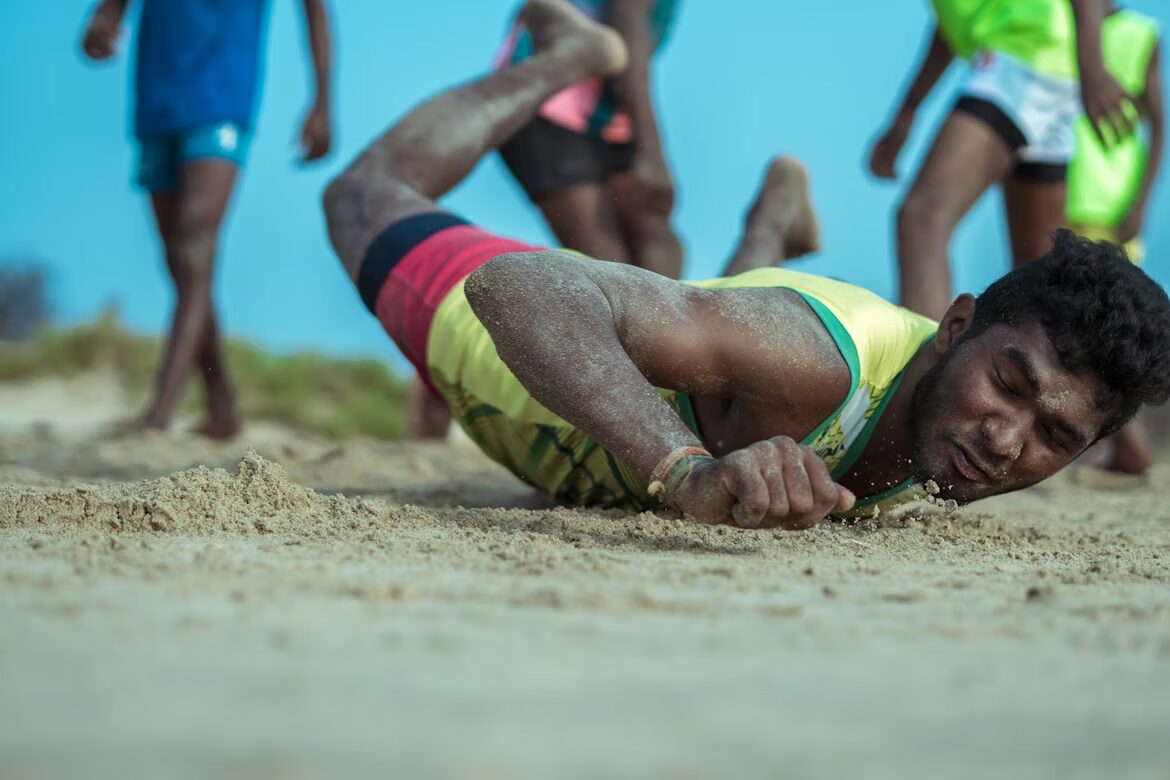
The same pressures are viewed differently with a challenge mindset. Athletes with this mindset perceive pressure as a performance opportunity. Heart rate and adrenaline are no longer impediments. They are enhanced and interpreted positively, energizing the body.
Elite competitors have consciously trained themselves to be able to effortlessly shift into this mode. Athletes no longer think, “I can’t fail.” Rather, they think, “I’m ready for this.” Mental shifts of this nature are the key to optimal cognitive function in the face of obstacles.
Why More Experience Won’t Always Save You
Many athletes assume that time and repetition automatically build mental toughness. They don’t – not without deliberate reflection. Competitors can repeat the same panic patterns for years and still fall apart when the stakes are highest.
Building some mental toughness, discipline, and composure is done through visualization. The brain learns not to react as strongly to big threats when something is thought to be familiar. It helps to visualize high-pressure scenarios so that movements can be controlled. Experience won’t build mental toughness if it is not reflected on and studied.
How Top Athletes Train Mental Resilience
MST was once considered ancillary. However, the most advanced sports programs have added it to their core curriculum. Sports psychologists are employed at every level to help competitors build true psychological strength.
Some write mental notes or post-competition journals. Some prefer silent meditation. Whatever the approach, the end goal remains the same. The objective is to eliminate the difference between how you practice and how you perform.
Final Thoughts on Competitive Thinking
In every sport, the burden of expectation is unrelenting. The best competitors have actually embraced the burden as motivation. Ultimately, it is not about the absence of nerves that brings home the prize, but having the ability to utilize surplus nerves to create mental and physical focus. The best starting place is picking one mental skill and mastering it.
Comments
Loading comments...
Leave a Comment