
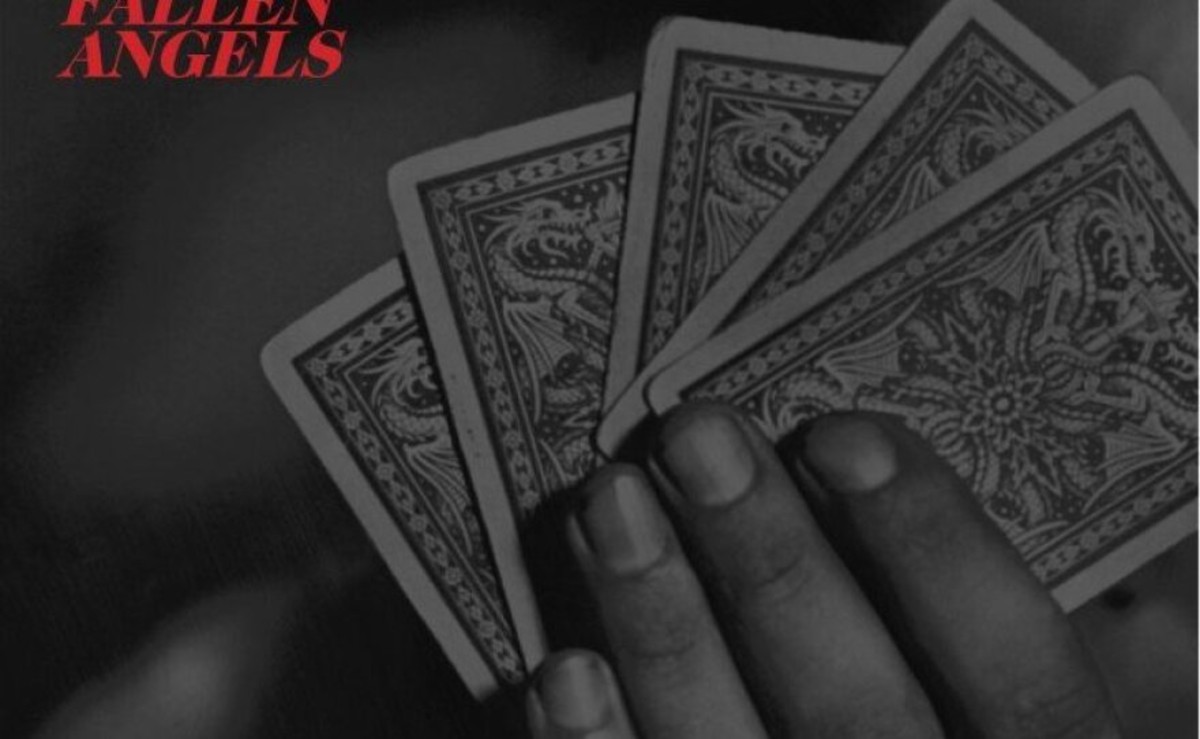
The tenth anniversary of Fallen Angels is a worthy reminder that not everything Bob Dylan does (or has done) is truly provocative. Nevertheless, plenty of speculation arose around the album upon its initial release a decade ago, if only because it was another collection of standards and torch songs like the previous year’s Shadows in the Night.
And, not surprisingly, reactions on both fronts were as mixed as they were predictable. Those who liked that 2015 LP may have felt one such effort might well have been enough, and, along with those who did not exactly cherish either one, that audience might well hold the opinion that a third like-minded project, a triple album titled (without irony) Triplicate, was definitely excessive.
Then again, all these records have their virtues, and ten years’ retrospect heightens such objective perceptions. Dylan’s singing carries an unusual level of clarity throughout, while his touring band’s performances, within some decidedly sympathetic arrangements, lend more than a little continuity. These were not slapdash projects intended as contractual fulfillment (or maybe they were, but arrived well-camouflaged as such)
Recorded at Capitol Studios in Hollywood, with Dylan himself as producer (under his assumed name ‘Jack Frost’), the ensemble of accompanists on Fallen Angels was augmented by venerable session guitarist Dean Parks plus an anonymous (and difficult to hear) horn section. Multi-instrumentalist Donnie Herron’s solos and fills, mostly on pedal steel, are notably less predictable than on the prior sessions (and arguably more numerous than on stage).
What distinguishes this record from its predecessor most of all, however, is the tenor of the material. In contrast to the noir atmosphere of the initial title, the second is a generally sunnier, upbeat selection of tunes. And with engineer Al Schmitt assuming recording and mixing duties, Dylan and his band clearly relished the opportunity to concentrate on interpreting well-known numbers like“It Had to Be You.”
And while it’s arguable how much this endeavor actually stretches their collective skills during lesser-known chestnuts, including “Skylark” and “Nevertheless,” their respectful attitude–particularly the bandleader’s–implies more than a little admiration for such astute songwriters as Hoagy Carmichael and Johnny Mercer.
Equally importantly, the very release of a second album of such vintage material carries a clear declaration of healthy reverence on Dylan’s part for the many great singers who’ve performed these numbers, preeminent among whom is Frank Sinatra.
Bob has professed deep and sincere admiration for ‘The Chairman of the Board’ in the past, but this is a practical, palpable homage. Not that the Nobel Laureate attempts to sing like the man, but simply expends honest, deserved effort towards the material and its history.
As much as the smooth sound of Dylan’s voice itself, a well-defined enunciation is redolent throughout this recording. Plus, a palpable glow of sheer delight arises during “All or Nothing at All.” Still, there is some hint of a struggle as Bob holds the final tone of “That Old Black Magic,” and a similar strain is more obvious as he aims for the notes in the melody of “All the Way.”
Fallen Angels, like its companion pieces, resides squarely within one of the prevailing themes of Bob Dylan’s most revealing work: the search for identity. Accordingly, it should come as no surprise that the very next studio outing from the Bard was the carefully crafted density of the original material comprising Rough And Rowdy Ways: it is as if all the covers amounted to an overall creative reboot.
From solo acoustic albums to explorations of ‘The Great American Songbook’ and beyond, the logic of Bob Dylan’s work has been inscrutable throughout most of his career, but rarely more so than in his later years.
Comments
Loading comments...
Leave a Comment