For many people, attending live music events once seemed effortless. You purchased a ticket, arrived, stood near unfamiliar fans who shared your musical tastes, and let the evening unfold.
Following the pandemic, live performances resumed, yet the atmosphere felt different, not in a single dramatic instance, of course, but through numerous subtle aspects that together create a different experience.
This difference is not about sound quality or production value. In many cases, shows are bigger, louder, and more polished than ever, trying to re-impress people at the location. The change lives somewhere else. It lives in the crowd, in expectations, in attention, and in how both artists and fans approach the moment. The fans feel it, the musicians feel it, and this feeling impacts the industry, as well.
The Weight of Absence Is Still There
One reason live music feels different is simple: it was gone for a noticeable while. For months, and in some places, years, concerts and festivals disappeared from life. When they returned, they were not ordinary. Instead, they returned as something fragile. And they will never feel the same.
Many fans now arrive at shows with a quiet awareness that live music can disappear again. This awareness changes behavior: people listen more carefully, record more moments, and sometimes hold back rather than lose themselves in the music completely.
What once felt guaranteed and normal now feels temporary. That sense of fragility adds emotional weight, but it also adds distance.
Crowds Feel Different, Even When They’re Full
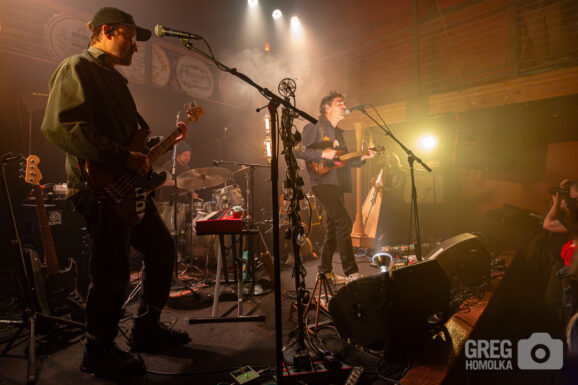
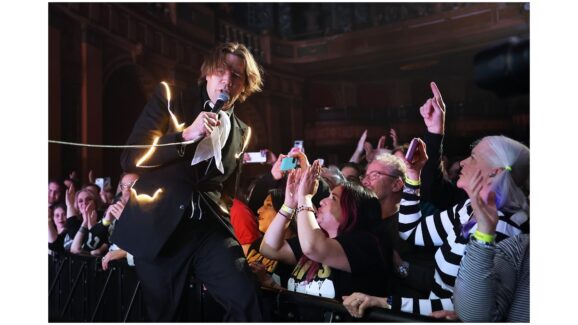
Concert crowds look similar to how they did before. Venues sell out. The floors are packed. But the crowd itself feels different now.
Some people are more aware of personal space and continue to look for places where they can be separated from the rest. Others feel overstimulated more quickly. Small discomforts like heat, noise, or pushing feel heavier than they once did, and they are no longer perceived as closeness, but rather as an invasion. This doesn’t mean fans enjoy shows less. It means they experience them with more physical awareness and caution.
Interestingly enough, there is also a shift in how people move. Dancing still happens, but not always with the same enthusiasm. Certain people just remain motionless and observe more than they engage. The crowd now appears more as numerous people occupying the same space rather than a single entity that breathes, sings, and dances in a single motion.
Phones Became Emotional Shields
Phones were present at concerts before the pandemic, but their role has changed since then. Recording a show now feels less like sharing and more like holding onto proof that the moment happened, proof that you were there.
Moreover, for some fans, phones act as emotional shields. Looking through a screen creates distance from the intensity of the room. It offers control in an environment that can feel overwhelming. This affects the energy exchange between artist and audience. When fewer faces look up, performers feel it.
Phones also serve as emotional shields from other fans at the concert. Instead of engaging with the people immediately physically present around, people instead send videos to their friends online, on social media, thus avoiding the live interaction with other musical fans, something that was one of the most enjoyable things about live events before the pandemic.
Some people go as far as scrolling their phones during the event, dissociating from the crowd, by playing 150 free spins for $1 or checking social media.
Artists Perform With More Awareness
Performers were forced to change, too. Many artists speak openly on stage now, compared to the communication styles before the pandemic. They talk about gratitude, survival, and uncertainty. Shows feel more reflective, less routine.
Some artists slow down their sets. Others talk between songs in ways they didn’t before, enjoying the real connection with their people, with their audience. There is often a shared understanding in the room that being there together really matters; it has been taken away before, and therefore can be taken away again.
At the same time, touring has become more difficult. Expenses have increased, and timetables are more constrained. Artists face pressure not just to excel, but to ensure every performance is memorable and meaningful.
Community Feels Quieter
Live music used to feel like an instant community that existed around an artist, a band, or a musical style. Strangers bonded quickly. Conversations happened easily. Lifetime friendships and relationships could be found at musical festivals.
That still happens, but less automatically, not as something taken for granted, not as something you would expect by default.
Some fans are more reserved due to the social habits having changed during isolation, and not everyone returned to public life at the same pace. People still want connection, but they approach it more carefully. Some people, on the other hand, suddenly realised that they don’t have to be overly open, overly friendly, overly outgoing to survive, live, and even enjoy life. So they can avoid communication unless they 100% want it.
This does not mean the community is gone; it isn’t. It just means that it forms differently. It builds more slowly and more cautiously.
Final Thoughts: Not Worse, Just Different
It is important to say this clearly: live music is not worse now. It is different. In some ways, it is deeper. In others, it is more restrained. The raw chaos of pre-pandemic shows has softened, replaced by something more reflective.
Fans are more selective. Artists are more intentional. The experience feels less automatic and more deliberate. For some people, this feels like a loss because of the nostalgia they have for the pre-pandemic times, before the limits and the grieving, when everyone was younger and more careless. However, this is the reality today, and the musical community will have to find a way to grow from that point.